

Global nurse leaders gather in Japan to address urgent workforce crisis
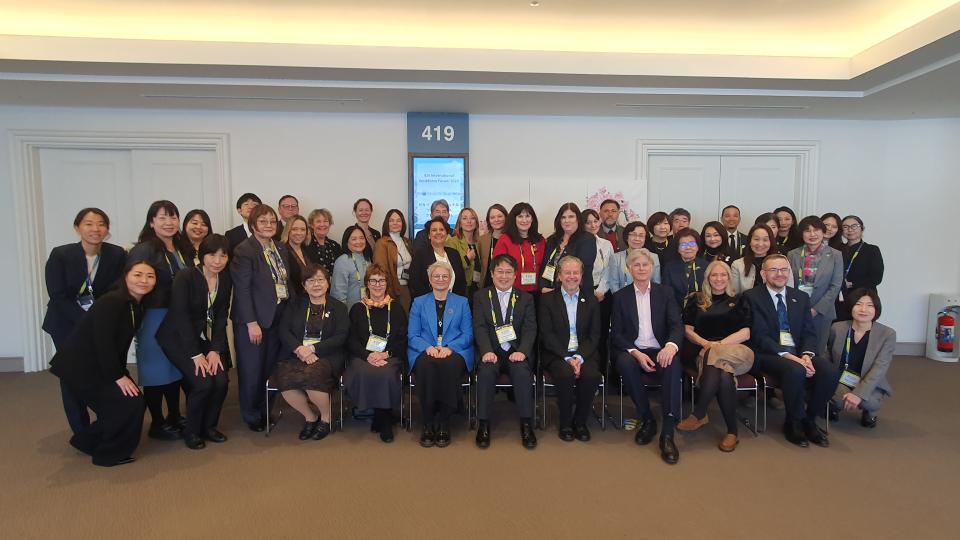
Nursing leaders from Japan and around the world are gathering in Yokohama this week for two major nursing events that are advancing the global conversation on how countries can protect, retain and invest in their nursing workforce as pressures mount across health systems worldwide. The International Workforce Forum (IWFF) on 3–4 February, co-hosted by the International Council of Nurses (ICN) and Japanese Nursing Association (JNA), brings together national nurses’ associations from Australia, Canada, Ireland, Italy, Japan, Norway, Sweden and the United Kingdom to discuss common challenges facing health systems across continents — including workforce shortages, unsafe workloads, inflexible shift patterns, low pay, and rising levels of violence and harassment — and to identify solutions. It is followed by the Japan Nursing Summit on 5 February, an international meeting focused on work-style reform, workforce sustainability and the future of nursing in an era of rapid demographic changes and growing health demands.
In a video message to the Japan Nursing Summit, ICN President José Luis Cobos Serrano underscored the global significance of the discussions taking place in Yokohama. He emphasized the vital importance of investing in nursing workforces to address shortages across countries and regions, saying: “Nurses are the largest health profession, and we are the backbone of primary health care, providing essential treatment, prevention, education, and community outreach globally. But our grave global shortage of 5.8 million shows that the world is failing to attract and retain nurses, largely due to underinvestment in fair working conditions, compensation, and protection. We must now reimagine how we empower nurses to thrive, with work environments that support us, that provide flexibility, autonomy, and work-life balance, that recognize and reward our expertise, and that allow us to practice to our full scope.”
The urgent need to address the nursing workforce gap has also received attention at the World Health Organization (WHO) Executive Board meetings taking place this week. In his opening speech, WHO Director-General Dr Tedros Adhanom Ghebreyesus named the world's nursing shortage as the largest health worker shortage, which severely impacts access to care. He remarked: “One of the main reasons people miss out on health services is because they don’t have access to a health worker. The world is facing a shortage of 11 million health workers by 2030, more than half of which is a shortage of nurses.” ICN Chief Executive Officer Howard Catton is participating in both the International Workforce Forum and Japan Nursing Summit in Yokohama. ICN’s First and Second Vice Presidents, Sineva Maria Ribeiro and Megumi Yamaura-Teshima, are also in attendance, representing the Swedish and Japanese Nursing Associations. Mr Catton said that the gatherings prove how essential it is to address workforce crises across all countries and continents, commenting:
“Dr Tedros’ message reflects what ICN’s work has made clear all along: there is no health care without nurses and health workers, and we absolutely have to prioritize nursing as the single largest health profession that accounts for the greatest proportion of the health workforce shortage. At the meetings here in Japan, we are hearing nursing leaders from very different countries all describing the same pressures that are driving this shortage. Nurses are speaking about ‘bedridden wages’, pay that has stagnated or even fallen in real terms. And they are telling us about enduring unacceptable work conditions, rigid work schedules, and growing violence and aggression. The only way to end the nursing shortage crisis and bring care to all people is by investing in fair working conditions that attract and retain nurses. We need all countries to have a funded and actionable national workforce plan and we need WHO to continue to have a Chief Nurse and strong health workforce department that can support this vital work.”
The IWFF will conclude with a joint communiqué, signalling shared priorities and the need for coordinated international action.
ICN is also bringing the nursing voice to the WHO Executive Board meetings this week. Read more about our key messages, the statements we are delivering, and keep up with our advocacy on our Facebook, X, and LinkedIn pages.