

Following WHO Global Cancer Report, international nursing and palliative care leaders call for urgent workforce investment for rising cancer needs
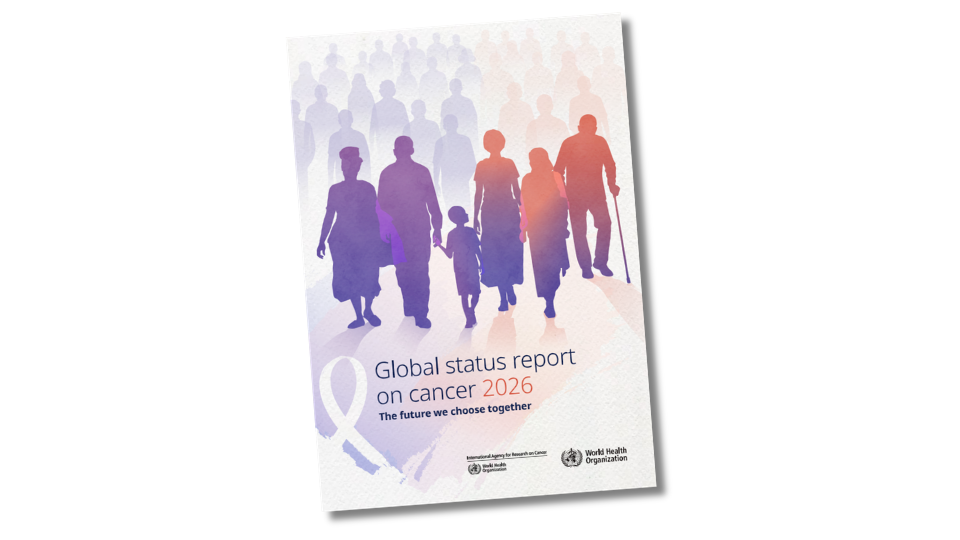
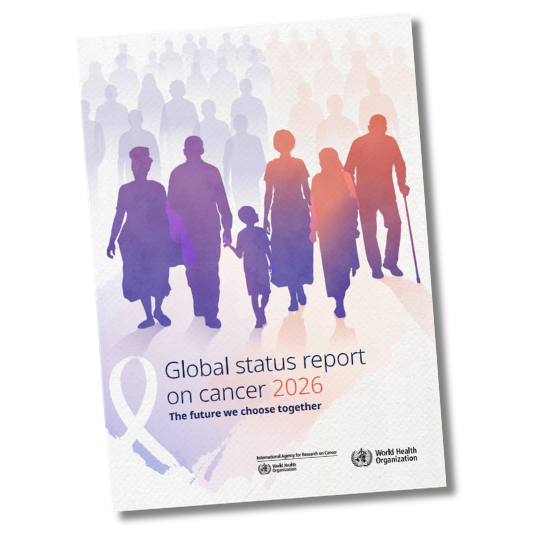
Joint Statement on World Health Organization (WHO) Global Status Report on Cancer 2026
Based on the evidence in WHO’s recent Global Status Report on Cancer 2026, the International Council of Nurses (ICN), International Society of Nurses in Cancer Care (ISNCC) and International Children's Palliative Care Network (ICPCN) urge leaders to invest in and protect the nursing and health workforce to urgently strengthen health systems and improve cancer outcomes across the full continuum of care.
ICN, ISNCC, ICPCN welcome the report’s clear message that the future of cancer care will not be secured through medicines and technology alone, but through the health workforces that are the backbone of care. We affirm that meeting the world’s most urgent cancer challenges depends on investing in nurses and multidisciplinary teams; addressing workforce shortages and burnout; and moving away from medicalized models towards people-centred, equitable health care across prevention, treatment, survivorship, rehabilitation and palliative services.
The scale of the challenge demands urgent action
The WHO report sets out the growing global cancer burden with stark urgency. Without urgent intervention, annual cancer diagnoses will almost double by 2050, rising to 35 million. One in five people will develop cancer in their lifetime, and around 92% of the world’s population will be affected by cancer either personally, through family members, or as caregivers.
Yet the world is off track on the health system and health workforce investments needed to meet these challenges. According to the report, only 12 countries are currently on course to meet the Sustainable Development Goal target of reducing premature cancer mortality by one third.
The report also exposes profound inequalities in cancer outcomes between and within countries. Five-year breast cancer survival is reported at 87% in high-income countries compared with 42% in many low-income countries. For childhood cancers, survival rates in high-income settings are also almost double those in many low-income settings. These unacceptable disparities reflect unequal access to prevention, early detection, diagnostics, treatment, pain relief, rehabilitation, palliative care and skilled health professionals including nurses.
ICN, ISNCC, ICPCN warn that rising cancer burdens, global failures to meet cancer targets, and stark inequalities in survival all point to the same conclusion: governments must act now to build stronger, better staffed and more equitable health systems and bring quality care to all.
Beyond medicalized models: People-centred cancer control is a health workforce issue
The report reinforces that cancer control requires health system transformation away from disease-focused services and towards integrated, people-centred approaches that respond to the realities of patients, families and caregivers at every stage and “value care as highly as cure”.
ICN, ISNCC, ICPCN support the report’s recognition that “plans without people are not plans”: the response to cancer cannot succeed without the people who deliver it. Effective cancer prevention, treatment and care depend on skilled, supported multidisciplinary teams that include nurses at every level.
The report’s findings on cancer health workforce shortages, burnout, low retention and attrition echo what ICN and ISNCC have long warned: without sustained and immediate workforce investment, quality, safety, continuity and timely access to cancer care are at risk.
No cancer plans without nurses
ICN has long advocated for transforming health systems towards integrated, people-centred care, which requires investing in nursing education, retention and empowerment and enabling nurses to work to their full scope of practice.
ICN President José Luis Cobos Serrano said:
“The report’s title, The Future We Choose Together, is exactly right. We cannot continue to accept avoidable deaths, unequal treatment outcomes, and unacceptable working conditions for health professionals. It is time to choose a future in which cancer care is equitable, person-centred and accessible and the nursing and health workforce is fully supported and empowered.
Nurses are the largest part of the health workforce, the most trusted health professionals, and often the first, most frequent and most continuous point of contact for people affected by cancer. Across the cancer journey, they provide prevention education, vaccination, screening, early detection, treatment support, psychosocial care, rehabilitation, coordination and palliative care.
Leaders must make the choice to structurally enable nurses through funded nursing workforce plans, safe staffing, decent working conditions, and continued education and leadership roles. That is how nurses can transform health systems to deliver care that reaches people earlier, supports positive treatment outcomes, reduces suffering, and protects dignity at every stage.”
Specialist cancer nursing is essential to quality, safety and equity
The WHO report recognizes the increasing complexity of cancer care, including rapid advances in diagnostics, systemic therapies, radiotherapy, digital tools and supportive care. This makes specialist cancer expertise especially critical.
ISNCC President Lena Sharp commented:
“Specialist cancer nurses play a vital role in translating advances in cancer treatment into safe, effective, compassionate care.
The experiences described in the report must guide action. People with cancer are not only facing a diagnosis; many are facing fear, financial hardship, psychological distress, fragmented services and uncertainty about the future. Cancer nurses are often the professionals who stay alongside patients and families throughout this journey, explaining treatment, managing symptoms, and helping people to navigate complex systems and health decisions.
Governments and health systems must invest in cancer nursing education, continuing professional development, advanced practice roles, nurse-led services and nursing leadership in cancer policy. Every cancer service should have functioning multidisciplinary team structures that include nursing expertise, because high-quality cancer care depends on the full team.”
Palliative care is core cancer care, including for children
The WHO report’s emphasis on the full cancer care pathway reinforces that palliative care is an essential component of quality cancer care, including pain and symptom control, emotional and spiritual support, communication, family support, rehabilitation and quality of life. Palliative care is also embedded in ICN’s Definition of nursing, reflecting nurses’ and health professionals’ responsibility to relieve suffering, promote comfort and support people and families throughout illness.
ICPCN Chief Executive Julia Downing said:
“The stories and lived experiences reflected in the report remind us that cancer is not just a disease of older age. It also affects children and has impacts on their whole family. Parents, siblings and caregivers often carry enormous emotional, practical and financial burdens. Children’s palliative care provides vital support to children and families from diagnosis, throughout treatment, into survivorship, or through end-of-life care and bereavement when cure is not possible.
‘Every national cancer control plan must include children’s palliative care, access to pain relief, trained nurses within multidisciplinary teams, and family-centred models of care. The ICPCN’s Close the Gap Campaign is calling for palliative care to be available for children everywhere. Equity in cancer care means ensuring that every child, everywhere in the world, can receive both the best possible treatment and the best possible care.”
ICN, ISNCC and ICPCN call on governments, health systems, international agencies and partners to act on the WHO report by making immediate and sustained investments in nursing and multidisciplinary cancer workforces across the full continuum of care.
The future we choose together must be one in which care is valued as highly as cure; where nurses and other health professionals are valued, enabled, protected from burnout and empowered to lead; and where children and adults have access to safe, effective care, including palliative care, no matter where they live or what they can afford.
The International Council of Nurses (ICN) is a federation of more than 140 national nurses associations representing the 30 million nurses worldwide. Operated by nurses and leading nursing internationally, ICN works to ensure quality care for all and sound health policies globally.
The International Society of Nurses in Cancer Care (ISNCC) is an international membership organization of oncology nurse leaders dedicated to improving the health and well-being of people at risk for or living with cancer, promoting the nurse's role in improving cancer care, and developing nursing leadership in cancer care delivery.
The International Children’s Palliative Care Network (ICPCN) is the only global organization working to improve access to palliative care for the more than 21 million children worldwide who need it. ICPCN is recognized as the world leader in children’s palliative care (CPC) and has a globally renowned expert leadership, a wealth of educational resources and a network of members in over 140 countries.