Nurses supporting the daughters of nurses: ICN report highlights lasting impact of girls’ education fund
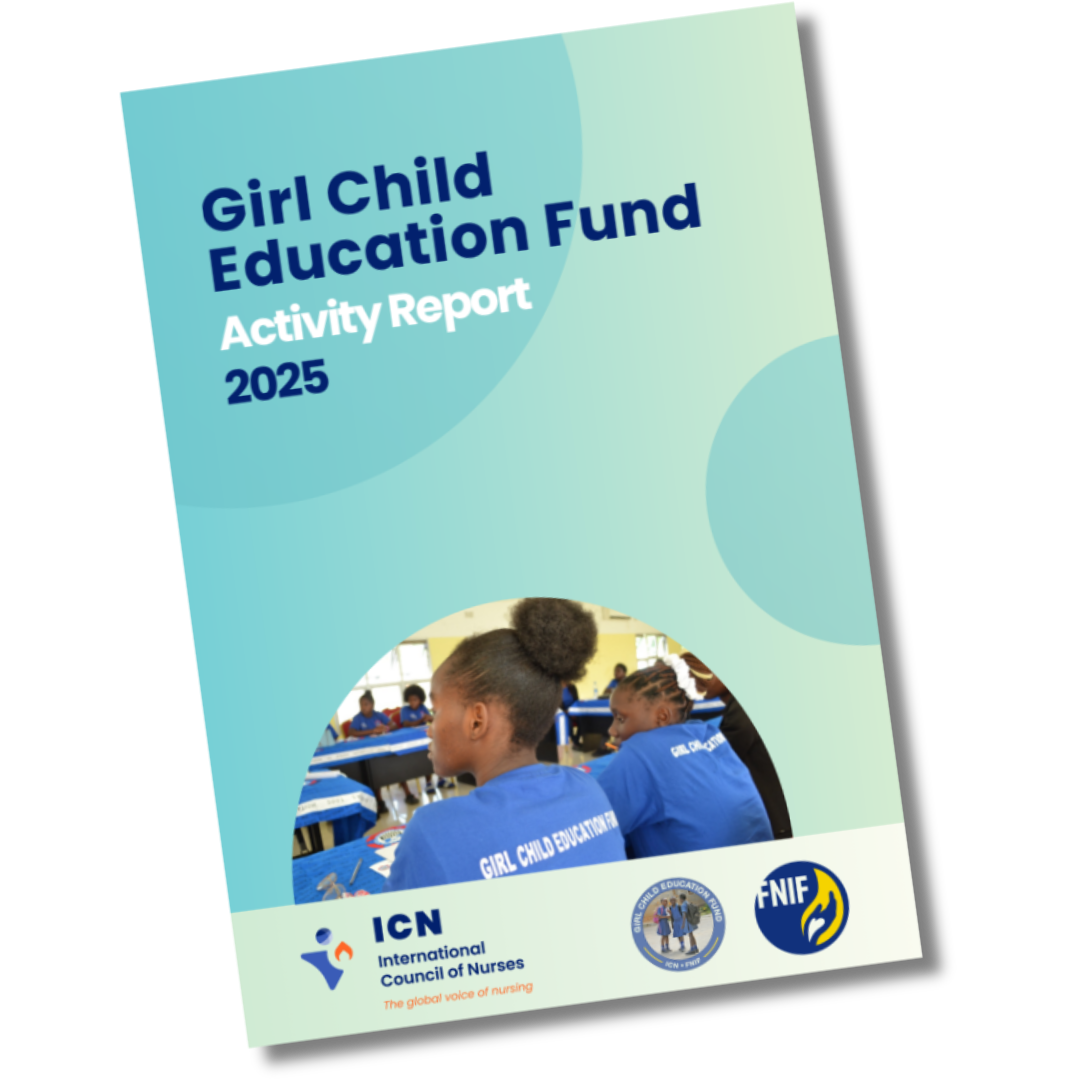
To mark the International Day of the Girl Child, the International Council of Nurses (ICN) is publishing its Girl Child Education Fund (GCEF) 2025 Activity Report, highlighting how nurses are helping orphaned daughters of nurses stay in school, build confidence and pursue their ambitions. Established in 2005 by ICN as part of its Florence Nightingale International Foundation (FNIF), GCEF supports girls in Eswatini, Kenya, Uganda and Zambia. Working through National Nurses Associations, the programme covers school fees, uniforms, books and other educational essentials, alongside mentorship and psychosocial support provided by local nurse coordinators and nurse volunteers.
As the fund marks 20 years of work, the report demonstrates the lasting value of investing in girls whose education could otherwise be interrupted by bereavement and financial hardship. At its heart is solidarity within the nursing community: nurses supporting the daughters of colleagues who have died, helping them complete their education and shape their own futures.
Florence Nightingale International Foundation (FNIF) President Dr Pamela Cipriano said:
“Supporting a girl’s education is a commitment to her future. It is transformative. Over two decades, GCEF has shown the value of consistent support, helping girls move from uncertainty towards new possibilities and opportunities for a more equitable future. Our priority now is to sustain that commitment, working with donors and national nursing associations so that more girls can complete their education.”
ICN President Dr José Luis Cobos Serrano said:
“Every girl deserves the opportunity to learn, develop her talents and decide her own future. For girls who have lost a parent, staying in school can become an enormous challenge. Through the Girl Child Education Fund, nurses are helping to keep that opportunity open.
“This is solidarity between nurses reaching across generations. By supporting the daughters of colleagues who have died, and providing encouragement and mentorship alongside educational funding, nurses are helping girls build confidence and independence, with benefits that extend to their families and communities.”
The report documents substantial achievements since the programme began:
Kenya: 134 girls supported, with 117 graduates and no reported school dropouts among beneficiaries.
Uganda: 176 beneficiaries supported through financial assistance, mentorship and academic guidance.
Zambia: more than 120 girls supported, with over 70 progressing to tertiary education and more than 60 achieving economic self-reliance.
Eswatini: approximately 90 girls supported, with many progressing to higher levels of education.
Behind these figures are individual stories of resilience and ambition. Namirimu Daphine joined GCEF in Uganda in 2013, aged 12, and went on to complete secondary school and pursue studies in fashion and design. She described the programme as “my mummies and daddie”, reflecting the care and encouragement she received alongside financial support.
In Zambia, Hope Nyondo completed secondary education in 2024 and hopes to pursue a career in nursing. Living with her grandmother, she received help with school fees and supplies, alongside mentorship, home visits and school visits. She described programme coordinators as “co-parents” whose support helped her remain focused on her goals.
The local coordinators are themselves nurses. Their relationships with girls, guardians and schools provide a continuing network of care, helping beneficiaries navigate grief and personal challenges while encouraging their aspirations.
A review across all four participating countries reaffirmed the programme’s value while identifying priorities for its future, including stronger fundraising, alumni engagement, governance and pathways to further education and vocational training.
On the International Day of the Girl Child, ICN is inviting nurses, nursing associations and other supporters to help sustain this work. Contributions at every level can make a meaningful difference. Costs vary across countries ranging from USD 766 to USD 1500 annually per beneficiary. Smaller donations can be combined to help meet girls’ educational needs.
By giving individually or fundraising together, nurses can help ensure that the daughters of their colleagues continue to have the opportunity to learn and pursue their ambitions.