

Nurses at the Heart of Safe Care: ICN President Speaks at Vatican WASH Event
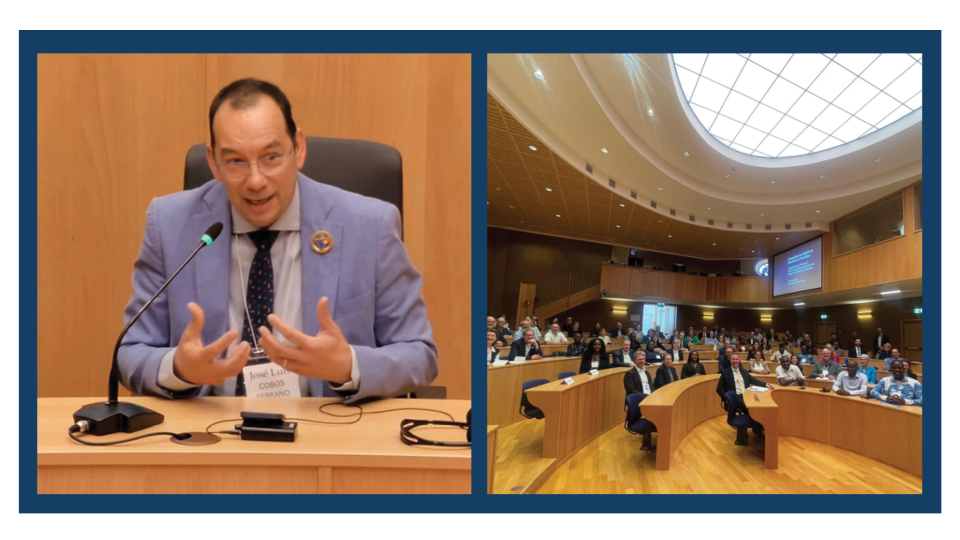
On 23 April, ICN President Dr José Luis Cobos Serrano brought the voice of the world’s nurses to the Vatican, addressing a high-level NGO event focused on water, sanitation and hygiene (WASH) in health care facilities.
The event convened a diverse group of non-governmental organisations—including global health, humanitarian and civil society leaders—to strengthen collaboration and accelerate action on WASH as a foundation of safe, dignified health care. Taking place alongside broader discussions engaging faith-based and international partners, the meeting highlighted the urgent need to ensure that all health facilities are equipped with the basic conditions required to deliver care safely.
Representing more than 30 million nurses worldwide through ICN’s network of over 140 national nursing associations, Dr Cobos delivered a clear and compelling message: without safe water and sanitation, health care systems cannot function.
“Health care cannot exist without safe water. It is that simple.”
In his remarks, Dr Cobos underscored the daily reality faced by nurses across the globe. From preventing infections and supporting childbirth to administering treatments and protecting communities, nurses are at the centre of care delivery—yet too often they are expected to carry out these essential roles without access to safe water, adequate sanitation, or basic hygiene.
He also drew attention to the heightened challenges in fragile and conflict-affected settings, where the destruction of health facilities further undermines access to water and safe conditions for care, placing both patients and health workers at greater risk.
Crucially, Dr Cobos positioned nurses not only as witnesses to these challenges, but as leaders in addressing them. From the foundations of modern nursing established by Florence Nightingale to the lessons of the COVID-19 pandemic, nurses have consistently demonstrated leadership in infection prevention, hygiene, and the organisation of safe care.
“We are the ones who see where infections begin. We are the ones who know what works in daily practice. And we are the ones who remain when projects come to an end.”
This frontline experience, he stressed, makes nurses indispensable partners in shaping effective WASH policies and investments. However, their expertise is too often underutilised in decision-making processes.
Dr Cobos called for a shift in approach—one that recognises nurses as leaders, educators, and advocates, and ensures they are fully included in policy development and health system planning. He emphasised that leadership requires the right conditions: a voice in decisions, access to resources, and strong partnerships.
The intervention also reinforced the economic and public health case for action. Investment in WASH, he noted, is not a cost but one of the most effective ways to prevent infections, improve patient outcomes, and protect health workers.
ICN’s participation in the event signals a clear commitment to elevating the role of nurses in the global WASH agenda—making their contributions more visible and ensuring their expertise informs the policies and investments needed to build safer, more resilient health systems.
“When we support nurses, we protect patients. And when we guarantee water and sanitation, we make health care truly safe.”
As global attention increasingly turns to strengthening health systems and pandemic preparedness, the message from ICN is unequivocal: safe water, sanitation, and hygiene are not optional—they are fundamental. And nurses must be at the heart of the solutions.